
26.05.2026
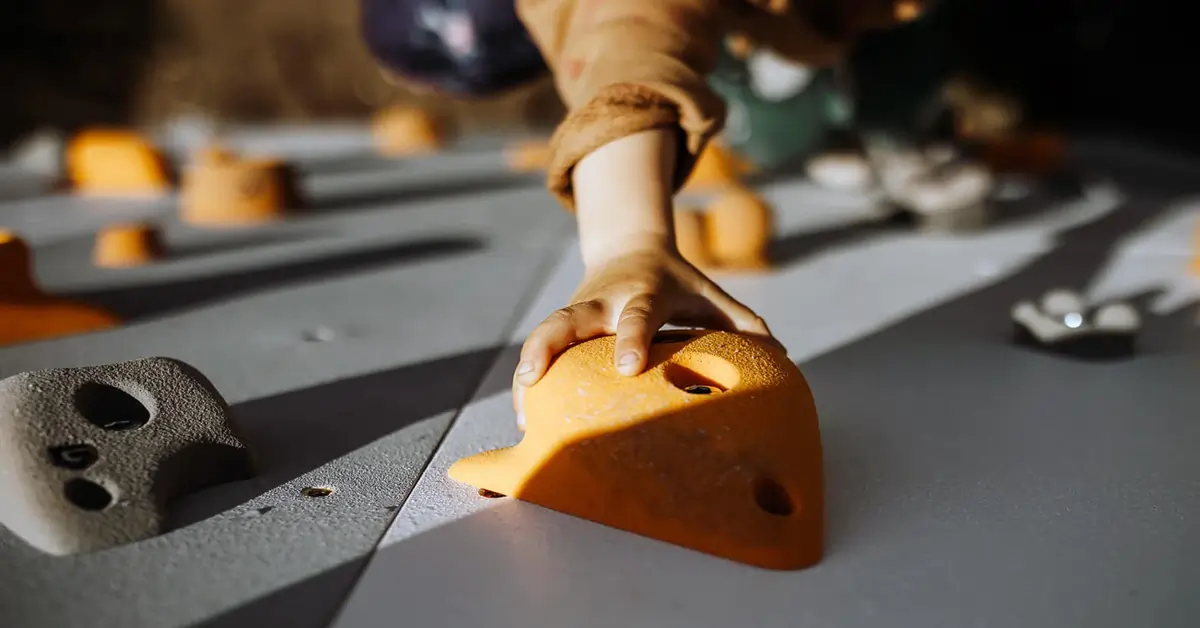
Thinking about redesigning your garden? Want your children to spend more time outdoors, but only have a few square metres to work with?
Good news: a small garden doesn’t mean small adventures.
With thoughtful planning, even a compact outdoor space can become a place where children climb, explore, imagine, and develop their physical abilities every day. The key is making smart use of vertical space and choosing play equipment that serves multiple functions.
Designing a playground for a public park is easy. Designing one for a small family garden requires a little more creativity.
Before choosing equipment, consider these two popular approaches:
Attaching climbing panels directly to a house wall, garage, or solid garden wall saves valuable floor space.
Benefits:
If your house has external insulation, make sure you use suitable anchors designed for insulated façades.
A freestanding garden climbing wall can offer:
Children can play from multiple sides, making the most of a compact footprint. Just remember to maintain safe distances from fences, trees, and other obstacles.
The most successful small-garden playgrounds use height instead of width. The more activities you can stack above or alongside each other, the more open space remains available for everyday garden use.
Even in a small garden, different activities should have their own dedicated spaces.
This is the active area where children climb, balance, swing, and explore.
Great options include:
Wall-mounted solutions are especially effective because they transform unused vertical surfaces into play opportunities.
Safety always comes first. Every climbing structure needs a suitable impact-absorbing surface underneath.
Good options include:
Avoid placing fixed obstacles in landing areas where children could fall or jump.
If your playground includes:
Place it in the coolest and shadiest part of the garden. A climbing structure itself can even help create shade for relaxation areas during parts of the day.
When space is limited, every piece of equipment should serve more than one purpose.
Multi-Level Climbing Tower
A climbing wall leads to an elevated platform. The platform can connect to:
The area underneath can become:
Flexible Accessories
Look for systems that allow you to swap activities. One month you might install a swing, the next gymnastic rings, a climbing rope, or a pull-up bar.
Even climbing walls can be updated with new routes or additional climbing holds for children to keep children engaged for years.
Long Runways
Large zip lines or oversized slides often consume a significant portion of a small garden and make the space feel even smaller.
Single-Purpose Structures
Large decorative playhouses or themed structures may look impressive but often offer limited long-term play value. Children frequently outgrow them much faster than modular climbing systems.
When planning your layout, don’t focus only on the equipment itself.
Raised towers and platforms can become observation decks for curious children. Position them so the view faces your own garden rather than neighbouring properties.
As a general guideline, maintain approximately 1.5–2 metres of clearance between play equipment and:
Swings require even more space in the direction of movement.
Make sure you can still:
A playground should enhance your garden, not block it.
If you’re not sure where to start, here are three concepts that genuinely work on a small plot. You can also try our outdoor playground configurator to see how each fits your space.
Best for: Tiny gardens
Advantages:
Features:
Approximately 1 × 1 metre of ground space can create a surprisingly large play experience. The smallest model from our range — the BLOCKids 3 outdoor climbing wall — is built exactly around this idea.
Best for: Families wanting both activity and relaxation
Features:
A stable and versatile solution.
Best for: Narrow gardens
Features:
This is one of the most efficient solutions for compact outdoor spaces.
Always look for compliance with relevant playground safety standards for private residential use.
Outdoor climbing panels require:
Without proper protection, ordinary plywood can swell, delaminate, and deteriorate after repeated exposure to rain and frost.
A playground is only as safe as its foundations. Check whether:
High-quality climbing holds and panels should be UV-stabilised to prevent fading and material degradation over time.
Designing a playground for a small garden can feel challenging, but limitations often inspire the best solutions.
Children rarely need huge open spaces. They love climbing, hiding, exploring, and discovering new routes. With smart planning and the right modular equipment, even a modest garden can become a place where childhood adventures happen every day.
Browse our full range of outdoor climbing walls for inspiration, or get in touch if you’d like help choosing the right model for your space.
How much safety space do I need around playground equipment?
Ideally, maintain 1.5–2 metres of clearance around fixed obstacles such as fences, walls, and trees. Swings require additional clearance in the direction of travel.
Will mounting climbing panels damage my insulated façade?
Not if you use suitable insulation anchors or a dedicated support frame designed for insulated walls.
How can I make sure children still enjoy the playground in a few years?
Choose modular equipment. Adjustable climbing routes, interchangeable accessories, and expandable structures allow the playground to evolve as children grow.
Is grass enough as a safety surface?
Grass is acceptable initially, but heavily used areas often become compacted. Rubber safety surfaces, mulch, gravel, or sand provide significantly better impact absorption.
Do I need planning permission?
In many countries, small private play structures do not require planning permission, but local regulations may vary. Always check current requirements before installation.

Napište nám – rádi vám doporučíme vhodné řešení a odpovíme na vaše otázky.


